
2012 Ranger Cam

Ranger CamWelcome to Ranger Cam 2012, your source for updates on wildflower and cactus blooms at Arizona State Parks. State Park Rangers and volunteers use digital cameras to capture the weekly changes in the desert. Wildflower season has mostly ended but now cacti are blooming. Check out upcoming activities on our Event Calendar.

Tonto Natural Bridge State Park

Thursday, May 10th, 2012

Tonto Natural Bridge State Park Tonto Natural Bridge State Park
Larkspur and roses (left) & Mexican Primrose (right)

Tonto Natural Bridge State Park Tonto Natural Bridge State Park
Ancient heirloom roses (left & right)

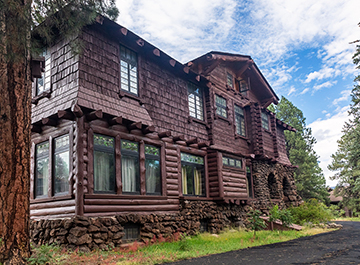
The flower beds near the Historic Tonto Lodge are in bloom at Tonto Natural Bridge State Park in Payson. The park is currently open from 9 am to 5 pm (with last entry at 4 pm) on Thursdays, Fridays, Saturdays, Sundays, & Mondays. Starting May 17 the park begins extended summer hours and will be open 8 am - 6 pm. Starting May 29 park will be open 7 days a week through Labor Day. Park's Home Page   Driving Directions   Facilities

Cattail Cove State Park

Monday, May 7th, 2012

Cattail Cove State Park Cattail Cove State Park

Cattail Cove State Park Cattail Cove State Park
Cactus blooms and flowering trees and shrubs bring an explosion of color to Cattail Cove State Park. Park's Home Page   Driving Directions   Facilities   Campground Reservations

Boyce Thomspon Arboretum State Park

Wednesday, April 25th, 2012

Boyce Thomspon Arboretum State Park Boyce Thomspon Arboretum State Park
Desert Marigold (Baileya multiradiata) (left) & Hedgehog Cactus (Echinocereus Engelmannii) (right)

Boyce Thomspon Arboretum State Park Boyce Thomspon Arboretum State Park
Odora, also known as 'Yerba de Venado' (Porophyllum gracile) (left) & Western Dayflower (Tradescantia Occidentalis) (right)

BTA Volunteer and Tourguide Cass Blodgett reports: "What's new and notable this week at BTA? Robust yellow monkeyflower along Queen Creek, at the trail's narrowest pinch-point where the chain link fence is all that prevents you from tumbling down into the creek. Look for one vivid red Twining Snapdragon flowering and woven into that chainlink fence, too. My second-from-last springtime wildflower walk attracted 20 visitors this past Sunday, please join me Saturday April 28 for the season finale at 11 am; weekend nature walks are included with $9 daily admission.

What else did we see out on the trails last Sunday? Cactus flowers are more numerous and showy — particularly the "Boyce Thompson" subspecies of colorful magenta Strawberry Hedgehogs; and watch for yellow-to-peach colored blooms on native prickly pears. The cactus garden still has an impressive crop of Desert Marigold and pretty patches of Prickly Phlox. As you walk above Ayer Lake watch for native bright green Hopbush covered in bright yellow seed pods. Wolfberry (or "Tomatillo") fruits are unusually thick on those shrubs this year, one look at these ripe fruits and you'll see where that shrub got its common name. Walk along the shaded riparian corridor beside Queen Creek and enjoy thickets of blue-flowered phacelia that border the trail; BTA staff report the jury's still out on just which variety of phacelia this is! Here are 10 great reasons to walk the High Trail this week: Bush Penstemon (Keckiella antirrhinoides) are blooming strong and bright yellow shortly after you start the trail from the suspension bridge (east) end; watch for Red Mint, Miner's Lettuce, Larkspur (Delphinium parishii), Desert Phlox, and Perezia (that's new this week). You'll see great views of Elderberry trees (Sambucus mexicana) with white flower-clusters along Queen Creek down below; White Ratany along the trail, and for a special treat you can get up close to a patch of Mariposa Lilies growing right on the trailside. And the 10th is a delicate pink-flowered Taper-tip Onion which is a first sighting in the park (at least for me). Join me Saturday and see the blooms. Park's Home Page

Picacho Peak State Park

Friday, April 13th, 2012

Picacho Peak State Park Picacho Peak State Park

Picacho Peak State Park Picacho Peak State Park
The park's cacti season has started. Hedgehog, Prickly Pear, and Buckhorn Cholla provide a variety of colorful blossoms ranging from pale yellow and orange to shades of magenta, rust and maroon. The saguaros are showing a lot of buds and a few flowers. Wildflowers are scarce. A few Desert Marigold, Brittlebush, and Creosote can still be found in bloom. Park's Home Page   Driving Directions   Facilities   Campground Reservations

Patagonia Lake State Park & Sonoita Creek SNA

Thursday, April 12th, 2012

Patagonia Lake State Park & Sonoita Creek SNA Patagonia Lake State Park & Sonoita Creek SNA
Miniature Woolystars (left) & Trailing Four O'Clock(right)

Patagonia Lake State Park & Sonoita Creek SNA Patagonia Lake State Park & Sonoita Creek SNA
Rainbow Cactus (left) & Purple Scalystem (right)

Many desert species are in bloom at Patagonia Lake SP and Sonoita Creek SNA. And mark your calendar! Patagonia Lake's annual Mariachi Festival is May 19! Park's Home Page   Driving Directions   Facilities   Campground Reservations

Boyce Thomspon Arboretum State Park

Wednesday, April 11th, 2012

Boyce Thomspon Arboretum State Park Boyce Thomspon Arboretum State Park
Wild Tobacco (left) & Prickley Pear (right)

Boyce Thomspon Arboretum State Park Boyce Thomspon Arboretum State Park
Prickly Phlox (left) & Mariposa Lily (right)

Boyce Thomspon Arboretum State Park Boyce Thomspon Arboretum State Park
Tomatillo fruits (left) & Colorado Four O'Clock Flowers (right)

Flowers to see and photograph this week include elderberry, tomatillo, Colorado four o'clock, white ratany, prickly phlox and mustard evening primrose — and the season's first prickly pear cactus blossoms ("The Yellow Rose of Texas") are starting to appear. Two more guided wildflower walks are scheduled for this Spring: April 14 & 22, at 11 am. These and other Arboretum nature walks are included with $9 daily admission. Where to see this week's colorful blossoms? Elderberry (Sambucus mexicana) is the tall shrub with white 'doilies' of flower clusters just as you enter the hummingbird-butterfly garden; also watch for 'em along silver king wash and queen creek. They have abundant flowers this year — will fruit production be equally robust?

Tomatillo fruits are ripe and juicy — bright red berries the size of coffeebeans add bursts of color to the otherwise inconspicuous Anderson Thornbush (Lycium andersonii) this year. Watch for cliff chipmunks, black-throated sparrows and other photogenic little resident critters to feast on these ephemeral fruits while they're ripe and available. Prickly phlox (Eriastrum diffusum) are blooming above the quincho, small plants which can carpet the ground with pale blue star-shaped flower clusters in a good year. Showy mariposa lilies are more numerous than in recent memory. Monday there were three nice mariposas blooming above the trail and at left as you approach the Ayer Lake overlook. Delphinium are having a good year, too; look for the big, spreading patch at right while walking eastbound and uphill above Ayer Lake just as you approach the Picket Post Mansion overlook. While descending down the 'switchbacks' section of trail watch for mustard evening primrose (Camissonia b revipes); White Ratany adds color along the curandero trail (and a special guided ethnobotany tour of the Curandero Trail on Saturday, April 14, at 1:30 pm. brings a chance to meet author Jean Groen and hear about ethnobotanical uses of ratany and other trailside plants). Watch for asparagus-spear-shaped stalks of golden-flowered agaves (Agave chrysantha) in various places from the cactus garden up towards the mansion, and Colorado Four O'Clock blooming strong, and right on schedule, beneath the shade of towering red gum trees in the eucalyptus forest.

Patagonia Lake State Park & Sonoita Creek SNA

Saturday, April 7th, 2012

Patagonia Lake State Park & Sonoita Creek SNA Patagonia Lake State Park & Sonoita Creek SNA

Patagonia Lake State Park & Sonoita Creek SNA Patagonia Lake State Park & Sonoita Creek SNA

Many desert species are in bloom at Patagonia Lake SP and Sonoita Creek SNA. And mark your calendar! Patagonia Lake's annual Mariachi Festival is May 19! Park's Home Page   Driving Directions   Facilities   Campground Reservations

Boyce Thomspon Arboretum State Park

Tuesday, April 3rd, 2012

Boyce Thomspon Arboretum State Park Boyce Thomspon Arboretum State Park
Bush Penstemon (left) & Delphinium (right)

Boyce Thomspon Arboretum State Park Boyce Thomspon Arboretum State Park
Desert Phlox (left) & Elderberry (right)

Boyce Thomspon Arboretum State Park Boyce Thomspon Arboretum State Park
Globemallow (left) & Red Mint (right)

Arizona State Parks Volunteer tourguide and wildflower enthusiast Cass Blodgett advises Highway 60 Eastbound drivers to watch for robust patches of hot-pink Parry's penstemon as well vivid yellow desert marigolds on your drive to Boyce Thompson Arboretum. Claret Cup hedgehog cactus blossoms are a highlight once you're there this week, and expect to see dozens more Sonoran desert wildflowers including tufted evening primrose (arrive shortly after 8 am opening to see these!); lupines, dyssodia, fleabane and phacelia. Hedgehog cacti (both the magenta & pink hedgehogs and the red claret cup) and various mammillaria cacti are beginning to bloom as are ocotillo. As you walk above Ayer Lake and look carefully you might see a few mariposa lilies. And as you approach the Picket Post Mansion overlook, watch for a patch of pale-blue delphinium just before the Mansion, blooming beneath protective shade of a volcanic rhyolite outcrop. The riparian trail nearest Queen Creek feels verdant and jungle-like with thickets of knee-high phacelia; they'll be at peak over the next two weeks. The High Trail has desert phlox, yellow-flowering bush penstemon - and two robust, vivid Red Mint (Stacchys coccinea) plants jutting shoulder-high from the cliff above the narrow section of stone steps. Wildflower walks April 8, 14 & 22 are guided by AZ Native Plant Society Phoenix chapter Co-president Cass Blodgett at 11 am; these and other weekend nature walks are included with $9 daily Arboretum admission.

Catalina State Park

Tuesday, March 27th, 2012

Catalina State Park Catalina State Park
Mariposa Lilies (left) & Ocotillo (right).
Catalina State Park Catalina State Park
Larkspur (left) & Desert Pincushion (right).

Over 70 species of wildflowers are in bloom in Catalina State Park now. Orange Mariposa Lilies are blooming on the first mile of the 50-Year Trail along with many other species such as Desert Pincushion, Larkspur, and Ocotillo. Park's Home Page   Driving Directions   Facilities   Campground Reservations

Catalina State Park

Friday, March 23rd, 2012

Catalina State Park Catalina State Park
Horseback riders enjoy the beautiful weather and fantastic views (left).
Catalina State Park Catalina State Park
Goldfields (left) & White Poppies at entrance station (right).
Catalina State Park Catalina State Park
There are now over 60 identified species of flowers in the park, with 6 more unidentified. Fields of poppies are declining, but fields of Goldfields are now blooming. Come out and enjoy this beautiful park! Park's Home Page   Driving Directions   Facilities   Campground Reservations

Boyce Thomspon Arboretum State Park

Wednesday, March 21st, 2012

Boyce Thomspon Arboretum State Park Boyce Thomspon Arboretum State Park
Hedgehog Cactus (left & right)

Boyce Thomspon Arboretum State Park Boyce Thomspon Arboretum State Park
Claret Cup Arizonicus (left) & Dodonaea (right)

Boyce Thomspon Arboretum State Park Boyce Thomspon Arboretum State Park
Fetid Marigold (left) & Fruit of a Wild Cucumber (right)

Arizona State Parks Volunteer Cass Blodgett leads wildflower walks March 25 and 31 at 11 am; they’re included with daily admission of $9. The walk March 25 includes an additional guest wildflower guide: author Christine Maxa ("Arizon's 50 Best Wildflower Hikes: The Desert"). She will sign copies of her books from 12:30 -1:30 pm in the visitor center. Cass notes that Highway 60 East from Florence Junction is spectacular with Pink Parry's Penstemon along with multi-colored Globemallow, Lupine, Poppies, Desert Marigold and Fairy Duster. Brittlebush are starting to bloom as well, adding bright yellow to hills north of the road.

Here at the park, the first cactus blossoms of the season include a rare Claret Cup (Echinocereustriglochidiatus, var. Arizonicus) with six red flowers open and easily photographed in the raised bed where the Main Trail crosses Silver King Wash. And the first of the native ‘Boyce Thompson’ Hedgehog cacti has two flowers and a half-dozen unopened buds at the highest point on the main trail — right at the Picket Post Mansion overlook. Trailside flowers include Mexican Goldpoppies, Lupine, Bladderpod, Owls Clover, Parry's Penstemon and Western Dayflower. On the High Trail Miners Lettuce lines base of cliffs, several Wallflower are blooming and Purple Bladderpod, too; observant viewers may notice one bright Red Mint below the trail. Remains of a patch of Desert Anemone at the west end have white flowers that may get rejuvenated by Sunday-Monday rain.

Picacho Peak State Park

Friday, March 16th, 2012

Picacho Peak State Park Picacho Peak State Park
The Poppy Season at Picacho Peak has been cut short by high winds and a lack of moisture. Very few Poppies remain. Brittlebush is still blooming in the lower elevations. The Strawberry Hedgehog cactus has started to display its striking magenta flowers, with a number of plants in bloom. Park's Home Page   Driving Directions   Facilities   Campground Reservations

Boyce Thomspon Arboretum State Park

Monday, March 12th, 2012

Boyce Thomspon Arboretum State Park Boyce Thomspon Arboretum State Park
Berberis (left) & Bladderpod (right)

Boyce Thomspon Arboretum State Park Boyce Thomspon Arboretum State Park
Blue Dicks (left) & Daisy Fleabane (right)

Boyce Thomspon Arboretum State Park Boyce Thomspon Arboretum State Park
Globemallow (left & right)

Boyce Thomspon Arboretum State Park Boyce Thomspon Arboretum State Park
Odora (left) & Wooly Plantain (right)

Join Arizona State Parks Volunteer Cass Blodgett for his weekly wildflower walk at 11:00 am. March 17, 25 and 31; guided tours that are included with daily admission of only $9 for adults and $4.50 for ages 5-12. On March 25 Cass will be joined by author Christine Maxa ("Arizona's 50 Best Wildflower Hikes: The Desert") following the Pollinators & Shuttergbugs photography class and flower ID workshop she's also leading here March 25 with co-author David James

Director of Horticulture Cathy Babcock reports wildflowers continue to bloom along Hwy 60 from Florence Junction and all along the median on the drive to Boyce Thompson Arboretum State Park: penstemon, brittlebush, globemallow, lupine and fairy duster. About one mile out from the park's entrance watch for hot-pink Parry's Penstemon that practically glow, there are so many of them; interspersed with the yellow of poppies, brittlebush and desert marigolds.

Within the arboretum along the one-and-a-half mile long Main Trail, Mexican poppies continue to bloom. Three species of lupine all growing together (Coulter's, Bajada and Silver) also catch the eye. Morning visitors will see the yellow evening primrose before it closes up for the day. The cactus garden also boasts our only Penstemon subulata, as opposed to the common Parry's penstemon. Chuparosa is still putting on a show, as are bluedicks, patches of fleabane, scorpionweed and fiddlenecks. All along the trail the Mormon Tea is in full bloom. Check out the Ocotillos, some of which are just starting to show their red inflorescences. Purple bladderpod also makes its appearance in patches. Be sure to walk the entire trail as there are flowers to see around every corner.

Intrepid hikers will also want to walk along the High Trail, a scenic half-mile which features thick patches of Miner's Lettuce as well as BTA's only wallflower, our only endemic red mint, and patches of anemone.

Catalina State Park

Sunday, March 11th, 2012

Catalina State Park Catalina State Park
White Arroyo Lupine (left) & a birder on the trail with poppies (right).
Catalina State Park Catalina State Park
A bouquet of various wildflowers (left) and Miner's Lettuce (right). The park has located and identified over 50 species of wildflowers in bloom on the Sutherland, 50-Year Trail, Romero Pools, and Alamo Canyon Trails. New species open every day! Park's Home Page   Driving Directions   Facilities   Campground Reservations

Boyce Thomspon Arboretum State Park

Friday, March 9th, 2012

Boyce Thomspon Arboretum State Park Boyce Thomspon Arboretum State Park
Creosote (left) & Owl's Clover (right).

Boyce Thomspon Arboretum State Park Boyce Thomspon Arboretum State Park
Tufted Evening Primrose (left) & Western Dayflower (right).

Director of Horticulture Cathy Babcock reports: as you make the scenic drive to Boyce Thompson Arboretum, wildflowers will greet you along 20 miles of Highway 60 approaching the gardens from Gold Canyon eastwards — a colorful palette of lupine, globemallow, penstemons, brittlebush and fairy duster. About a mile out from the entrance the show of penstemons and Mexican Gold poppies is stunning.

Sonoran Desert wildflowers began showing back in January and now there are at least two dozen colorful species to see and photograph along the 1.5 mile long Main Trail. Camera-ready clumps of Fetid Marigold are trailside immediately as you start down the main trail below the visitor center, then look for vigorous clumps of Wild Rhubarb (Canaigre) just past the Smith Building. The Cactus Garden offers the chance to compare three blooming lupines (Coulter's, Bajada & Silver), view yellow evening primrose and Mexican poppies, see Western Dayflower, hot-pink Parry's Penstemon, rattlesnakeweed spurge, and Odora (also known as Yerba de Venado). Watch for Chuparosa near the Boojum Trees, and then low thickets of Amcinkia (fiddlenecks) just below Ayer Lake.

Walking past and above AYER LAKE watch for native shrubs such as Mormon Tea and Tomatillo, and trailside patches of Purple Bladderpod, Bluedicks, and Phacelia the latter with its signature "scorpion tail" curled inforescence. Also starting to show are the colorful Mariposa Lilies. Park's Home Page   Driving Directions   Facilities

Picacho Peak State Park

Sunday, March 4th, 2012

Picacho Peak State Park Picacho Peak State Park
Patches of Mexican Gold Poppies can be seen in the lower elevations. Brittlebush is in bloom, and quite a few Lupines and Desert Marigold can be found along the roadways. London Rocket and Globemallow have started to bloom. Park's Home Page   Driving Directions   Facilities   Campground Reservations

Catalina State Park

Thursday, March 1st, 2012

Catalina State Park Catalina State Park
Catalina State Park
The Sutherland Trail area is still a fantastic place for wildflowers. Top left shows a close-up of a Cream Cup. Yellow poppies are also spread throughout the area. Park's Home Page   Driving Directions   Facilities   Campground Reservations

Boyce Thomspon Arboretum State Park

Tuesday, February 28th, 2012

Boyce Thomspon Arboretum State Park Boyce Thomspon Arboretum State Park
Bajada Lupine (left) & Wild Cucumber (right).

Boyce Thomspon Arboretum State Park Boyce Thomspon Arboretum State Park
Mormon Tea (left) & Marigold (right).

Boyce Thomspon Arboretum State Park Boyce Thomspon Arboretum State Park
Bladderpod (left) & Penstemon (right).

Wildflowers greet motorists along 20 miles of Highway 60 approaching the gardens from Gold Canyon eastwards — a colorful palette of lupine, globemallow, brittlebush and fairy duster. Camera-ready clumps of Fetid Marigold are trailside immediately as you start down the main trail below the visitor center, then look for vigorous clumps of Wild Rhubarb just past the Smith Building. The Cactus Garden offers the chance to compare three blooming lupines (Coulter's, Bajada & Silver) and see Western Dayflower, hot-pink Parry's Penstemon, rattlesnakeweed spurge, and Odora (also known as Yerba de Venado). Watch for Chuparosa near the Boojum Trees, and low thickets of Amcinkia (fiddlenecks) just below Ayer Lake.

Walking past and above AYER LAKE watch for native shrubs such as Mormon Tea and Tomatillo, and trailside patches of Purple Bladderpod, Bluedicks, and Phacelia — the latter with its signature "scorpion tail" curled inforescence. They've past their prime, but hundreds of white flowers still cover many of the native Rhyolite Bush (AKA Ragged Rock Flower, Crossosoma bigelovii) above Ayer Lake and also along the 'switchbacks' section of trail that leads visitors past Picketpost Mansion and down along Queen Creek. DOWN ALONG QUEEN CREEK in the shaded riparian area the trail is bordered by thickets of Phacelia (Heliotrope, Phacelia distans) that aren't blooming yet, but will be quite impressive here in another week or two. Climbing above are robust vines of Wild Cucumber (Marah gilensis) snaking up and through jojobas and other unwitting host plants — reaching skyward with green tendrils and clusters of tiny starfish-shaped white flowers. Its hard to believe all that growth happened in less than one month, and that in another few months these ephemeral vines will begin to dry-up, fragment and fall back to the earth — disappearing until next Spring. Park's Home Page   Driving Directions   Facilities

Catalina State Park

Thursday, February 23rd, 2012

Catalina State Park Catalina State Park
Wildflowers at the beginning of Sutherland Trail are looking wonderful, but, as usual, the whole park looks spectacular. Park's Home Page   Driving Directions   Facilities   Campground Reservations

Picacho Peak State Park

Wednesday, February 22nd, 2012

Picacho Peak State Park Picacho Peak State Park
Mexican Gold Poppies can be found throughout the lower elevations in increasing numbers. Patches of yellow are developing on the mountain slopes. Other flowers commonly found are Brittlebush, Desert Marigold, and Fiddleneck. The Lupines have not started to bloom at this time. Park's Home Page   Driving Directions   Facilities   Campground Reservations

Picacho Peak State Park

Monday, February 13th, 2012

Picacho Peak State Park Picacho Peak State Park
From a distance, the hillsides at Picacho Peak still show a carpet of green. Scattered patches of Mexican Gold Poppies are appearing in the lower elevations. Park's Home Page   Driving Directions   Facilities   Campground Reservations

Lost Dutchman State Park

Thursday, February 9th, 2012

Lost Dutchman State Park Lost Dutchman State Park
Rangers report that the most visible area to see wildflowers is by the intersection of the Jacob's cross cut trail and the Siphon draw trail. Check out the Hikes & Programs at this park. Park's Home Page   Driving Directions   Facilities   Campground Reservations

Boyce Thomspon Arboretum State Park

Wednesday, February 8th, 2012

Boyce Thomspon Arboretum State Park Boyce Thomspon Arboretum State Park
Mexican Gold Poppies (left) & Penstemon (right).

Boyce Thomspon Arboretum State Park Boyce Thomspon Arboretum State Park
Blackfoot Daisies (left) & Phacelia (right).

Boyce Thomspon Arboretum State Park Boyce Thomspon Arboretum State Park
Bladderpod (left) & Bluedicks (right).

Staff report few flowers, but an impressive hillsides of Gold Poppies on the west-faces of Peachville Mountain about five miles north of Superior. One charismatic, photogenic species endemic to the Arboretum is at peak this week -- as you walk the 'switchbacks' section of the main trail (below picket post mansion) look for trailside shrubs packed with white flowers. Crossosoma bigelovii, also known as Rhyolite Bush and Ragged Rock Flower. Other native shrubs in full bloom on the Arboretum grounds include Jojoba, Mormon Tea and Tomatillo.

Volunteer Cass Blodgett will lead weekly wildflower walks at the Arboretum starting the first weekend of March; author Colleen Miniuk-Sperry will also lead morning and afternoon "where to find & how to photograph wildflowers" workshops March 3. For details http://ag.arizona.edu/bta/ Park's Home Page   Driving Directions   Facilities

Picacho Peak State Park

Wednesday, February 1st, 2012

Picacho Peak State Park Picacho Peak State Park
A view of a light carpeting of green across the desert floor & mountain slopes (left) & a close up of a Mexican Gold Poppy (right).

Picacho Peak State Park
A few scattered poppies in the low, wash areas of the desert at Picacho Peak SP. Mark your calendars for Civil War in the Southwest at this park on March 10 & 11. Park's Home Page   Driving Directions   Facilities   Campground Reservations

Lost Dutchman State Park

Wednesday, January 25th, 2012

Lost Dutchman State Park Lost Dutchman State Park
At the end of January, the Superstition Mountains were green. Check out the Hikes & Programs at this park. Park's Home Page   Driving Directions   Facilities   Campground Reservations

Wildflower Hotline

Tips for Viewing Wildflowers

  1. Research the areas you will be going before you leave to be sure the elevation is where the flowers are blooming. Different flowers bloom at different temperature and soil conditions. Flowers in sand dunes are much different than those in the mountains. Arizona Highways Magazine has an excellent "Desert Wildflower" book. This book also tells the rainfall patterns and temperatures that affect wildflower blooms.
  2. Bring plenty of water and a picnic lunch.
  3. Bring a camera and lots of film. A magnifying glass will let you see the flowers up close.
  4. Don't touch or pick flowers, buds or seed plants. Don't step on the green plants.
  5. Be in the desert on a sunny day between 10-3:00 if you want to see poppies when they are open and the most beautiful. On cold or windy the flowers will close.
  6. Don't stop on the freeway or park on the side of roads to take pictures.
  7. Never touch any type of cactus. The tiny spines you can't see embed themselves in your skin.
  8. Watch for the wildflower pollinators: bees, butterflies, hummingbirds, ants, bats, and beetles.
  9. People with allergies should be aware that the pollen could cause an allergic reaction.
  10. Globemallow are pretty but also called "sore-eye poppies" because if you touch your eyes after touching the flower the star shaped hairs will irritate your eyes.

Rules & Regulations about Native Plants

The Native Plant laws that protect plants everywhere in Arizona require that you not harm the plants. This includes digging them up, shooting them, stealing skeletons, collecting the seeds or picking the flowers. About 30 different plants and almost all cacti are on the Native Plant protected lists. There are civil penalties and fines ranging up to $2500 and 6 months in jail for violating these laws. In State and National Parks the laws are even more specific. You can't collect plants, harm plants or animals, pick up any type of plant skeletons, collect wood, or pick up archaeological or historical objects or even take rocks from the Parks.

Past Ranger Cams

Check out the 2011 Ranger Cam (2011 Ranger Cam)
Check out the 2010 Ranger Cam (2010 Ranger Cam)
Check out the 2009 Ranger Cam (2009 Ranger Cam)
Check out the 2008 Ranger Cam (2008 Ranger Cam)

To take your own photographs, rangers recommend a piece of black velvet for photo backgrounds. Wildflower books are available with brochures and maps in rural areas at all the State Parks. For more information on Arizona’s State Parks’ wildflowers call the hotline at (602) 542-4988 or track the blooms on the RANGER CAM at AZStateParks.com/rangercam.

Photography Copyright © Arizona State Parks.
All rights reserved. Unauthorized use prohibited.