Oracle State Park: Center for Environmental Education (Park Closed)
Oracle State Park is CLOSED
As of October 1, 2009, Oracle State Park is closed to the public for day-use due to budget reductions.

Both a wildlife refuge and environmental learning center, Oracle State Park offers groups a chance to learn more about human's impact on nature.
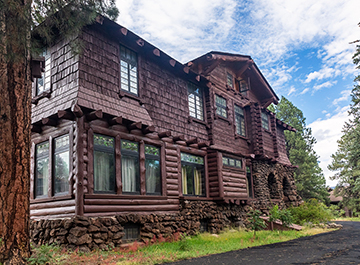
Oracle State Park is a 4,000 acre wildlife refuge in the northern foothills of the Catalina Mountains. Once part of the Kannally family cattle ranch, the unique Mediterranean style ranch house in the park is now listed on the National Register of Historic Places.
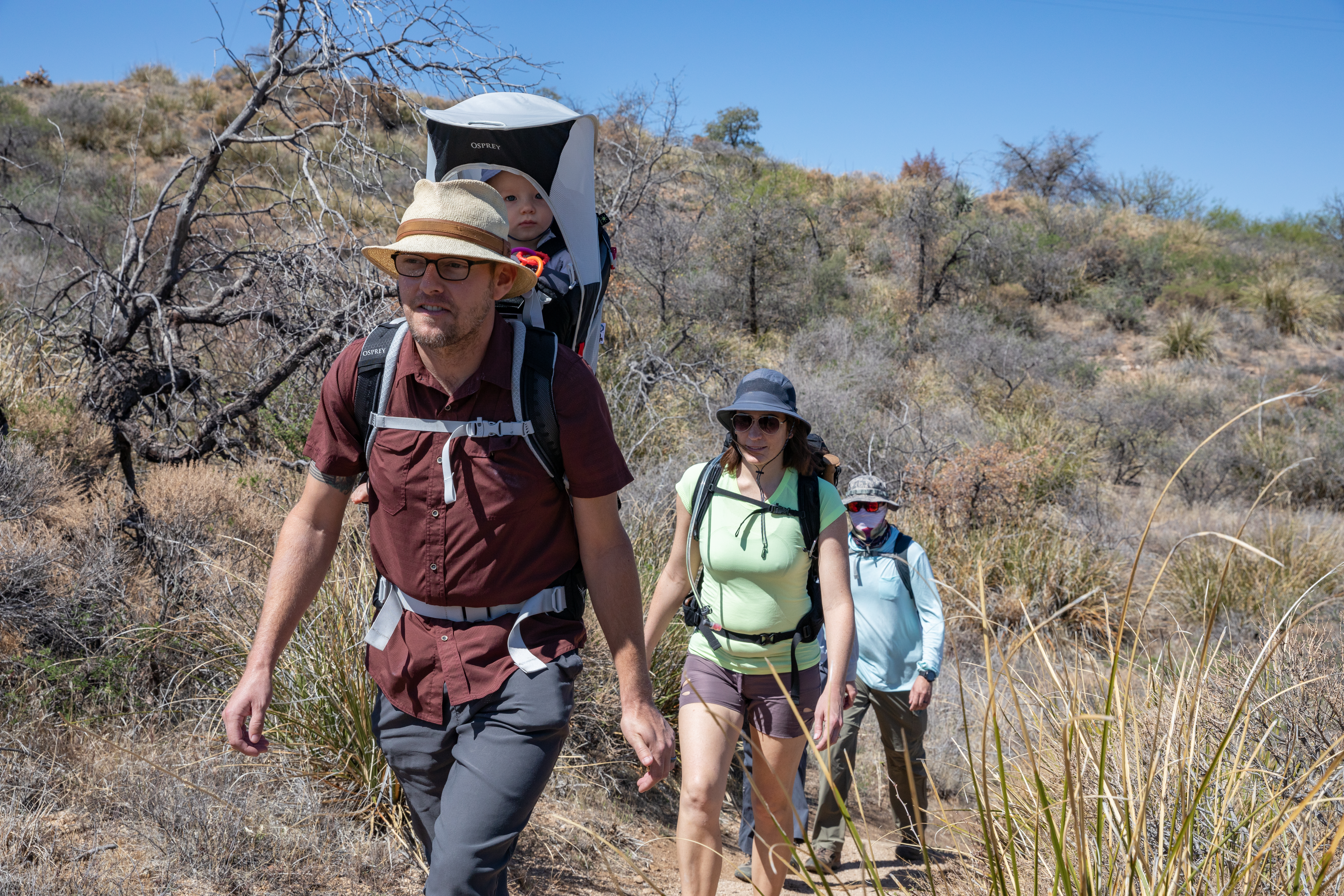
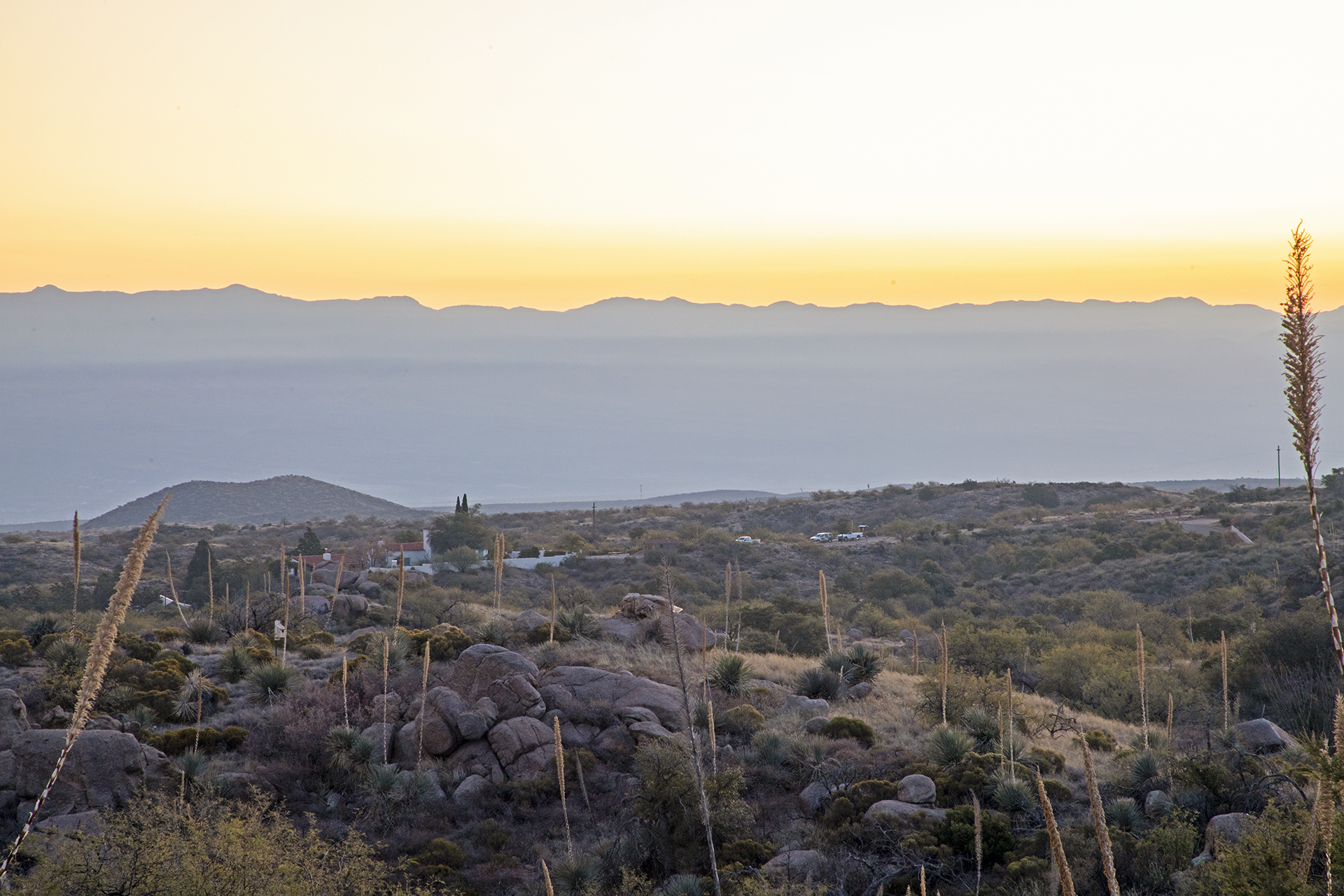
Ranging from 3,700 to 4,600 feet in elevation, the surrounding landscape transitions from oak woodland to desert grassland, with sweeping views of the Catalinas and granite boulder outcrops to the south; and San Pedro River Valley and Galiuro Mountains to the north-east. The diverse vegetation, slope and elevation within the park provide habitat for a variety of animals. Oracle State Park offers day-use picnic sites and over 15 miles of trail for use by hikers, bicyclists and equestrians. A four mile section of the Arizona Trail passes through the park, connecting Mexico to Utah.
The purpose of Oracle State Park is to protect the designated wildlife refuge and act as an environmental learning center. Educational trail programs emphasize participatory outdoor learning experiences for all ages. Students learn about habitat and interrelationships between plants, animals and people. Guided walks, workshops, presentations and special events are planned throughout the year to expand awareness and deepen appreciation of natural and cultural resources. An important focus of educational programming at the park is to understand people as part of nature and to clarify options for environmentally appropriate lifestyles.
Upcoming Events

Tour the historic Kannally Ranch House at 10 am and 2 pm, on Saturdays, Sundays, and Holidays.
Oracle State Park Weekly and Monthly Guided Walks, Workshops and Educational Programs for the public are on-hold until the park re-open date is announced.
Area History
Although the land has been a park for just a short while, the area has been visited and used by man since prehistoric times. This interaction between man and the park environment has played an important role in shaping the landscape we see today.
Clovis Man occupied areas along the San Pedro River 10,000 to 11,000 years ago and quite possibly visited the current park site during these early times. It is also believed that the Hohokam resided in the relatively flat, grassy areas of the park and used the adjacent woodlands for hunting and food gathering some 600-800 years ago.
In the middle 1880s the Apache Wars had ceased in central and southern Arizona. This opened up large areas to mining, ranching, farming and the settlement of small towns.
In 1902 Neil Kannally arrived in Oracle from Illinois. After moving to the area, he homesteaded the land that would later become the park. Later, other members of the Kannally family joined him. The ranch grew substantially over the next several years and eventually 1100 Hereford cattle grazed the land.
In 1976, Lucile Kannally, the last surviving family member, donated the land to Defenders of Wildlife who later transferred the property to the State Parks Board
Western Region
- Alamo Lake
- Buckskin Mountain
- Cattail Cove
- Lake Havasu
- River Island
- Yuma Quartermaster Depot
- Yuma Territorial Prison
Northern Region
- Dead Horse Ranch
- Fort Verde
- Homolovi Ruins
- Jerome
- Red Rock
- Riordan Mansion
- Slide Rock
- Verde River Greenway
Eastern Region
- Boyce Thompson Arboretum
- Catalina
- Fool Hollow Lake
- Lost Dutchman
- Lyman Lake
- McFarland
- Oracle
- Tonto Natural Bridge
Southern Region