Tubac Presidio State Historic Park Unveils New Connections Garden Celebrating Arizona’s Biodiversity and Indigenous Heritage
December 2, 2025
Tubac, AZ – Tubac Presidio State Historic Park and Museum invites visitors to explore over 2,000 years of Southwestern history and culture, now enhanced with the addition of the Connections Garden, made possible by the generous support of the Tohono O’odham Nation.
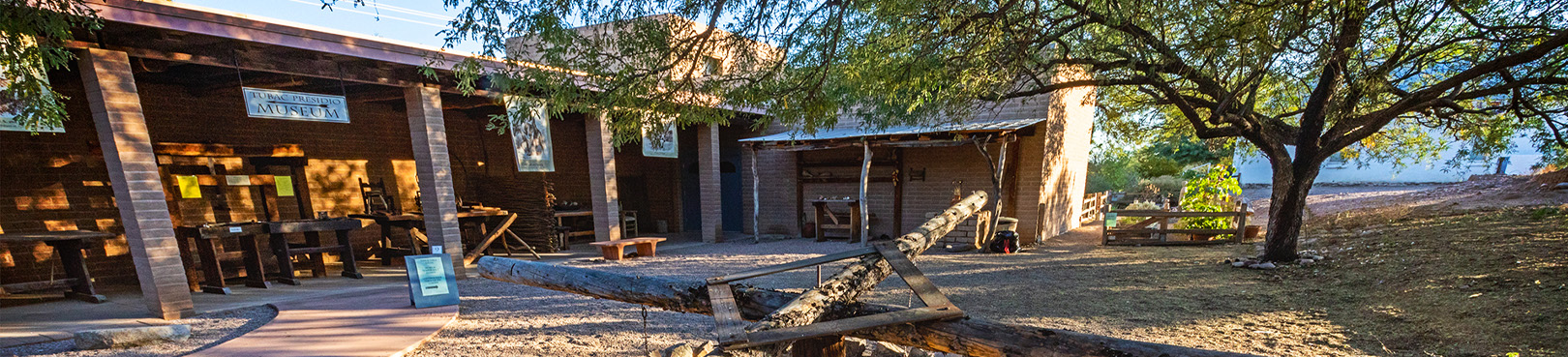
The park, which features the acclaimed Griffin Museum, the 1752 Spanish Presidio ruins, and three buildings listed on the National Register of Historic Places—the 1885 Schoolhouse, 1893 Rojas House, and 1914 Otero Hall—offers interpretive gardens and paved paths across its 11-acre grounds.
The Connections Garden introduces a vibrant, interactive space centered around a whimsical mural by Derrick Gonzales, a member of the Tohono O’odham Nation, Pascua Yaqui, and Pima Maricopa tribes. An artist, scientist, and father, Gonzales draws on his rich personal and cultural perspective to celebrate Arizona’s biodiversity, using color, movement, and playful imagery to highlight the intricate connections between people, land, water, and tradition.
Evoking a comic book feel, the mural positions a “superhero” figure as the child—entrusted with maintaining a deep connection to Arizona’s unique flora and fauna while carrying forward cultural traditions. Gonzales reflected, "I want viewers to stop, look, and listen to their surroundings, to see this mural with fresh eyes, and think about the next generations and how we can help one another."
The art installation is surrounded by a gently sloping landscape designed to harness natural water flow and support native species, including saguaro, beargrass, and the “three sisters”—corn, beans, and squash. Ecotone Biodiversity, working alongside Presidio staff and volunteers, designed and planted the garden to create a thriving wildlife habitat that incorporates rainwater harvesting systems and erosion solutions.
Pocket gardens throughout the space feature plants essential to native pollinators, such as butterflies and hummingbirds, creating an immersive environment that is both educational and enchanting. The garden stands as a living testament to the resilience, creativity, and cultural heritage of Arizona’s Indigenous communities.