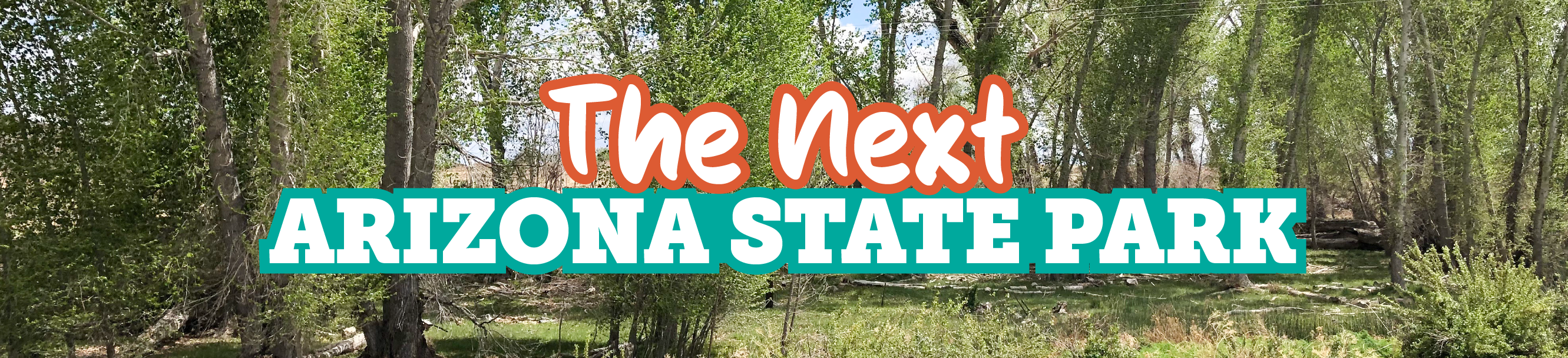
Del Rio Springs
The Verde Valley: Headwaters, History and Heritage
Del Rio Springs and the Verde River
Del Rio Springs is located just north of Chino Valley, Arizona at the historical headwaters of the Verde River. The Verde is one of the largest perennial streams in Arizona. The springs feed a vital 170-mile corridor of riparian habitat that begins near Paulden and flows southeast through the heart of the state. The Verde River supplies roughly 40% of the water delivered by Salt River Project to metropolitan Phoenix.
Indigenous Peoples of the Verde
Long before Euro-American settlement, the Verde River sustained indigenous populations including the Hohokam and Sinagua for centuries. The region was also home to the Yavapai (Wipuhk'a'bah), semi-nomadic hunter-gatherers speaking the Yuman language, and the Apache (Dil'zhe'e), hunters, fishers, and farmers who spoke Athabaskan. Over time, Euro-American expansion led to the forced relocation of both peoples — first to the Rio Verde Reserve and then to San Carlos. In 1934, the federal government formally recognized the Yavapai-Apache Nation, uniting the two groups. Today, the Nation encompasses five communities: Tunlii, Middle Verde, Rimrock, Camp Verde, and Clarkdale.
Arizona's First Territorial Seat of Government
In December 1863, Fort Whipple was established at Del Rio Springs, making it the site of Arizona's first territorial government. As gold miners flooded the Prescott area, Fort Whipple was relocated to Prescott to provide protection.
Water, Rails, and the Fred Harvey Era
Around 1900, the city of Prescott purchased the springs and installed one of the first steam-powered water pumps in the Southwest, delivering water via a 20-mile wooden pipeline to the city until 1910. The Santa Fe Railroad then hauled tank cars of Del Rio water to distant communities including Seligman, Ash Fork, Williams, Winslow, and the South Rim of the Grand Canyon.
Following the railroad's purchase of the land in 1913, the Fred Harvey Company established Del Rio Ranch as a working agricultural operation. By 1913, the ranch included a bunkhouse, barns, a milking barn, cooling towers, and a mess hall. It supplied milk, eggs, beef, hay, and grain to Harvey's celebrated chain of restaurants and hotels along the Santa Fe line from Chicago to Los Angeles — and served as the winter pasture for the famous Grand Canyon mules that carried tourists down Bright Angel Trail.
Natural and Ecological Significance
The upper Verde River is one of the most diverse wildlife habitats in the American Southwest. This habitat supports over 60% of the vertebrate species that inhabit the Coconino, Prescott, and Tonto National Forests. It is designated Critical Habitat under the Endangered Species Act for the loach minnow, spikedace, and razorback sucker. Additional species of concern include the speckled dace, longfin dace, desert sucker, Sonora sucker, and roundtail chub. The Arizona cliffrose, Mexican garter snake, and narrowheaded garter snake are also ESA-listed species present in the watershed.
Del Rio Springs itself is a remarkable wildlife area. During the 2011 and 2012 breeding seasons, a pair of desert-nesting bald eagles successfully raised three chicks in a tall cottonwood nurtured by the springs. Neighboring cottonwoods support a regional great blue heron rookery, and ecologists have discovered unique, endemic dragonfly species at the site. The broader Verde watershed — one of Arizona's most biologically rich regions — supports 446 vertebrate species, including 270 breeding bird species.
Cultural Legacy
Between Paulden and Clarkdale, at least 72 known archaeological sites qualify for the National Register of Historic Places, spanning from archaic times to the early 20th century. The upper Verde stands as a treasure trove of cultural history.
The new park property encompasses roughly 750-acres on the east side of SR-89 near Chino Valley. The project aims to protect Sullivan Lake at the Verde's origin, preserve the history of Del Rio Springs, and extend the Peavine National Recreation Trail 25 miles from Watson Lake and the Granite Dells in Prescott all the way to the river's headwaters.