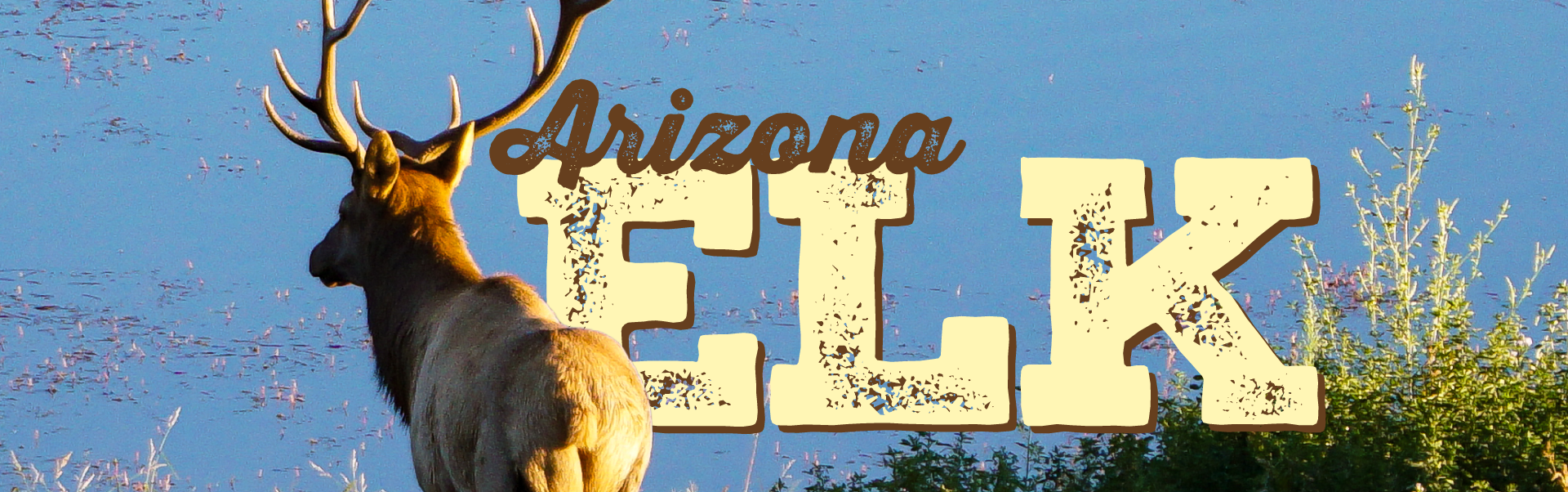
Arizona Elk
Arizona’s elk population is estimated at roughly 35,000 animals by the Arizona Game and Fish Department, which leaves ample opportunities to experience these dynamic creatures in their natural habitats throughout the state, and in select state parks. Our elk are descendants of 83 Rocky Mountain Elk brought by train from Wyoming in 1913, replacing the extinct Merriam’s elk that was originally native to Arizona. Elk provide a connection to the animal world nearly unmatched by other species through their active communication style and herd behaviors. It’s amazing to watch them communicate and interact as they go about their day. Elk are also one of the more accessible large mammals in Arizona to observe, and even communicate with through calling. They often can be found in open meadows, often called "parks" (think open field of grass surrounded by pine or juniper trees) adjacent to forest service roads throughout northern Arizona from Seligman east to Flagstaff and across the Mogollon Rim to eastern Arizona and our border with New Mexico. There are also isolated elk populations throughout the state. However, the areas above hold the bulk of Arizona’s elk numbers and represent the places where encounters are most likely to take place.
Elk Through the Seasons
The elk life cycle is a year-long journey dominated by dramatic changes in behavior, habitat, and physiology. Elk are powerful, highly mobile animals capable of traveling considerable distances in response to weather, hunting pressure, food availability, and seasonal changes. Let’s take a look through the seasons to help you understand where elk may be at different times throughout the year so you can find them and more easily create wild Arizona memories!
Calving Season
In late May to early June, pregnant cows leave their herd to find secluded areas, often in thick brush, out of the way spots, or high elevation grassy areas, to give birth. Newborn elk calves are spotted at birth and have no scent to help them stay under the radar of predators like coyotes, mountain lions, and black bears. After giving birth, the mother elk stashes her nearly helpless calf to rely on camouflage, returning only to nurse so she doesn’t draw predators to her calf. After about two weeks the elk calves are strong enough to join their mothers with the rest of the nursery herds. It’s important to note that cow elk are very territorial and aggressive towards threats during calving season. Because of this, please use caution in the elk woods this time of year and observe elk from a distance. Getting trampled by an elk, or spooking a calf into the waiting jaws of a black bear could have negative impacts on your experience!
Summer Range
As summer settles in across northern Arizona, elk shift into predictable patterns centered around food, water, and temperature. Bachelor groups of bull elk are generally separate from the nursery groups during summer but start to spend time closer to the cows as the rut approaches in September. You will most often find them at higher elevations where daytime temperatures are cooler and forage is abundant. Lush grasses, forbs, and new growth on the edges of meadows become prime feeding areas, especially at sunrise and sunset when elk are most active. During the heat of the day, elk typically bed down in shaded north-facing slopes or dense stands of vegetation. These areas provide relief from the oppressive summer sun and protection from incessant insects like gnats, flies, and mosquitoes. Water becomes a daily necessity this time of year, so sources like springs, stock tanks, creeks, and seeps are reliable places to look, especially in the early morning or evening hours.
This time of year the bull elk’s antlers are still covered in velvet as they grow up to one inch per day, making them the fastest growing bone tissue on earth! As they grow, the elk’s antlers are filled with blood vessels and nerve endings so they are extremely delicate to the touch. This forces bulls to seek heavy cover or breezy open country where wind helps reduce biting insects.
The Elk Rut
From early September into October, Arizona’s elk woods come alive with one of the most iconic wildlife events in North America, the rut! This is the breeding season, and it transforms elk behavior in a way that is both dramatic and unforgettable! Elk are vocal creatures throughout the year, but the intensity and frequency of their calls increase during the rut. Bull elk gather and defend groups of cows known as harems. Hearing a bull bugle for the first time is something most people never forget. Bugling is a high-pitched, eerie sounding call made by bull elk that echoes across Arizona’s forests and high country meadows, especially at dawn and dusk. Bugling is used to maintain contact with cows, intimidate rival bulls, and advertise breeding fitness. If you’re lucky enough to find yourself within earshot of a herd of elk during the rut, pay attention to the cow mews as well. They also use different pitches to signal different moods or directives to other elk.
During the rut, bulls are highly active and often visible in more open areas as they push cows, challenge rival bulls, and establish dominance. This increased activity can make elk easier to find, but it is also a time when they are less predictable and more aggressive. Giving elk plenty of space is very important this time of year, especially when bulls are focused on breeding or when cows are protecting their place within a herd.
If your goal is to experience elk at their most vocal and dynamic, this is the time to be out there. Find a high vantage point at first light, listen for bugles, and let the elk tell you where they are. A pair of binoculars will help greatly in your search! Scan distant fields and forest openings at dawn to expose elk rutting or retreating back into heavy timber. During the evening, pay close attention to the edges of forest openings for staging elk before they move into openings to feed and rut through the night.
Winter Range
As temperatures drop and snow begins to accumulate, elk transition to lower elevations in search of accessible food and milder conditions. This seasonal movement can be subtle during light winters or more pronounced during heavy snowfall years, but generally, the pattern holds true across Arizona. Wintering elk are often found in open grasslands, pinyon-juniper woodlands, and lower elevation valleys where snow is less likely to cover forage. South facing slopes that receive more sunlight can also attract elk because they generally have less snow accumulation and more exposed vegetation. It’s interesting to note that some elk remain in traditional wintering areas year-round if sufficient resources are available.
During the winter months, elk conserve energy. They move less, feed more deliberately, and often gather in larger groups. This can make them easier to spot against open landscapes, especially during midday when they may be feeding rather than bedded. Bulls once again distance themselves from cow/calf groups and either remain solitary or regroup with other bulls to recover and regain the weight they lost during the rut.
Where to Find Arizona Elk
If you think of Arizona’s elk population in three broad regions, it becomes much easier to narrow down your search. The majority of Arizona’s elk occur in and around the Flagstaff region, across the Mogollon Rim country from Payson to Heber-Overgaard, and throughout the White Mountains from Show Low and Pinetop-Lakeside east to Greer, Alpine, and Springerville. Within these regions, focus your efforts on open meadows, forest openings, recently burned areas, and places where food, water, and cover occur close together.
Timing is just as important as location. Elk are most active during the first and last few hours of daylight, especially during the warmer months. During the rut in September and early October, listening for bugling bulls can be one of the most effective ways to locate elk. A good pair of binoculars and a willingness to slow down, listen, and observe the landscape will greatly increase your chances of success.
For visitors looking to make a weekend or multi-day elk adventure out of their trip, Fool Hollow Lake Recreation Area and, to the northeast, Lyman Lake State Park offer camping, cabin accommodations, and convenient access to some of Arizona’s best elk country. Both parks can serve as comfortable base camps for exploring the surrounding forests, grasslands, and mountain landscapes where elk roam throughout the year.