
Tubac Presidio State Historic Park
Tubac Presidio State Historic Park is now operated by the Tubac Historical Society
. The park is open 7 days a week from 9 am - 5 pm. Admission $4 adult, $2 youth (7–13), children free (0–6).
Note: Starting June 1, 2012, Adult Admission will be $5.00.
Improve Arizona's Outdoor Recreation!
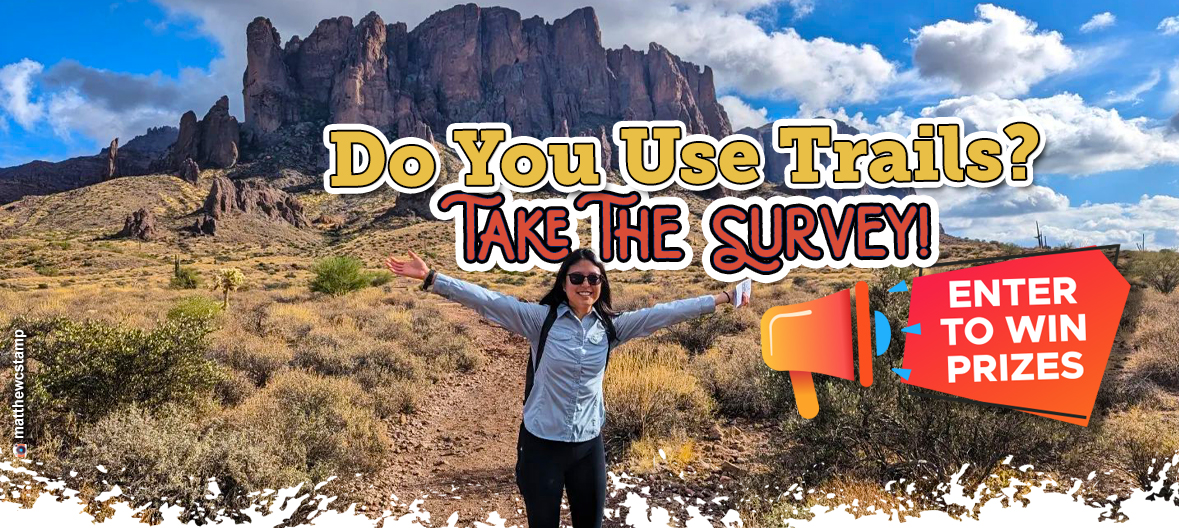
Participate in the 2012 Statewide Comprehensive Outdoor Recreation Plan (SCORP) survey conducted by Arizona State Parks. Survey results are used to decide where to spend outdoor recreation dollars and enable public land agencies to improve your outdoor recreation experience. Take Survey Online ![]()
“Cavalcade of History” Art Exhibit
9 am - 5 pm. The Alan B. Davis Gallery exhibits 16 paintings from the Arizona Highways “Cavalcade of History” collection. The canvas giclées of paintings by renowned Western artist William Ahrendt depict scenes from Arizona’s colorful history. Exhibit included with park admission $4 adult, $2 youth 7–13, children free.
April 14 - June 30: Gunpowder Press Exhibit & Ambos Nogales Vintage Photo Gallery
(Exhibits open daily through June 30, 2012, 9 am - 5 pm) The Tubac Presidio Museum is hosting two special exhibits from the collections of local families. The Gunpowder Press Exhibit displays the printing equipment used by Frank and Gay Griffin to print the Tubac Arizonian in the late 1950s. The exhibit also showcases samples of their Tubac publications from the Tubac Historical Society archives and their “Scrapbook of History” collection of photos, newspaper articles, maps and documents related to Tubac. The Ambos Nogales Vintage Photo Gallery features photographs of Nogales, Arizona and Nogales, Sonora, Mexico from the early to mid-20th century. These historical images were originally posted on the walls of the newspaper office of Craig Pottinger, Sr., who founded the Nogales International in 1925. Both collections will be on display in the museum through June 30, 2012 and are included with park admission $4 adult, $2 youth 7-13, children free.
May 26: Frontier Printing Press Demonstrations
(Thursday, May 3, 9:30 am - 12:30 pm; Thursday, May 10, 9:30 am - 12:30 pm and Saturday, May 26, 11 am - 3:00 pm) Professional printer and teacher James Pagels demonstrates the Washington Press used to print Arizona’s first newspaper in 1859 and answers questions about hand press printing, type setting, and other aspects of this marvel of industrial engineering. Included with park admission.
June 16: Frontier Printing Press Demonstrations
11 am - 3 pm. Professional printer and teacher James Pagels demonstrates the Washington Press used to print Arizona’s first newspaper in 1859 and answers questions about hand press printing, type setting, and other aspects of this marvel of industrial engineering. Included with park admission $5 adult, $2 youth 7-13, children free.
June 20: Heritage Grains Collaboration
10 am. Mark the first day of summer with a visit to the Presidio’s new Heritage Garden and learn about crops historically grown by Native Americans and Spanish settlers. Corn, wheat, calabasas (squash) and beans are growing from heirloom seeds provided by Native Seeds/SEARCH. This demonstration garden is part of a collaboration by organizations and farms to reintroduce White Sonora wheat and Chapalote flint corn – two of the oldest extant grain varieties adapted to the arid Southwest and known for their stable yields, excellent nutritional value and cultural ties to the desert borderlands. Guests will include nature writer and conservation biologist Gary Paul Nabhan, Chris Schmidt of Native Seeds/SEARCH, Jeff and Emma Zimmerman of Hayden Flour Mills, and Maribel Alvarez of the Southwest Center at the University of Arizona. Fee for the presentation is $7.50 and includes admission to tour the Park.
June 29: Fiber Art Friday
10 am - 12:30 pm. Join fiber art enthusiasts at the Tubac Presidio on the last Friday of the month in June. Bring your knitting, crochet, spinning or quilting project and gather for uninterrupted fiber art time. Hosted by members of the Southwest Fiber Arts Resource Group. Included with Park admission, $5 adult, $2 youth 7-13, children free.
June 29: "You Can Learn to Weave!" Workshop
1 - 4 pm. Learn to weave a wonderful wall hanging using a frame loom. Gather twigs, seedpods and grasses to combine with colorful yarns. For kids age 7 and up - $15 includes Park admission, frame loom kit and materials. Adults are welcome to accompany their child and observe for regular Park admission $5. Adults can also participate by purchasing a loom kit for $15. Instruction by members of the Southwest Fiber Arts Resource Group. Limit 20 participants; call for reservations 520-398-2252.
June 30: Frontier Printing Press Demonstrations
11 am - 3 pm. Professional printer and teacher James Pagels demonstrates the Washington Press used to print Arizona’s first newspaper in 1859 and answers questions about hand press printing, type setting, and other aspects of this marvel of industrial engineering. Included with park admission $5 adult, $2 youth 7-13, children free.

Aritst's rendition of Tubac and the Presidio in 1775. This painting shows a typical scene from Spanish Colonial times; the painting is on view in the Visitor Center.
The church and the military were the vanguards of Spanish frontier expansion throughout New Spain. The Jesuit, Eusebio Francisco Kino, established missions from 1687 to 1711 to christianize and control Native Americans in the area. He established nearby Tumacacori in 1691, and Tubac, then a small Piman village, became a mission farm and ranch. Spanish Colonists began to settle here during the 1730s, irrigating and farming the lands along the river and raising cattle, sheep and goats on the northern frontier of Spain's New World empire.
Luis of Saric, a Pima chief stirred by many grievances, led a bloody revolt late in 1751, destroying the small settlement at Tubac. Following a major battle, and subsequent surrender of the Pimans, the Presidio San Ignacio de Tubac was founded in June of 1752. The fifty cavalrymen garrisoned at this remote military post were to prevent further rebellion, protect colonists and the mission, and further explore the Southwest.
Juan Bautista de Anza II, second commander of the presidio, led two overland expeditions to the Pacific, resulting in the founding of San Francisco, in 1776. Several hundred colonists from the provinces of Sinaloa and Sonora, along with sixty from Tubac, made the trip. Over 1,000 head of cattle, horses and mules were also gathered to transport food supplies and tools, provide food on the journey and establish new herds once the colonists settled at their new home on the Pacific.
Following Anza's return to Tubac, military authorities moved the garrison from Tubac to Tucson in 1776, and the unprotected settlers abandoned their homes.
For a decade, Tubac languished from Apache depredation and without military protection. The situation finally resulted in the Viceroy's reactivating the presidio in 1787, this time with Pima Indian troops and Spanish officers. Mexico won her independence from Spain in 1821 and the new Republic of Mexico's flag flew over Tubac until 1848. In that year, a fierce Apache assault caused great loss of life and Tubac was again abandoned. This catastrophe, coupled with the drain of men leaving for the gold fields of California in 1849, turned Tubac into a virtual ghost town.

At the park, visitors can see the above ground remains of structures from the 1920s.
Tubac was part of the Gadsden Purchase of 1853, and was soon being resettled and developed by Eastern entrepreneurs as well as by former landowners. Charles D. Poston was instrumental in forming the Sonora Exploring and Mining Company, and used the abandoned Commandant's house as his headquarters. He performed marriages, granted divorces, baptized children and printed his own money to pay company employees. His company acquired a press in 1859 which printed Arizona's first newspaper.
Tubac's population steadily grew until, in 1860, it was the largest town in Arizona. The American Civil War, however, drained the region of troops, leaving it unprotected from Apaches, and Tubac was again deserted. Although the region was resettled after the war, silver strikes in the Tombstone area and the routing of the railroad through Tucson drew development interests away from Tubac, and the town never regained its earlier importance.
In 1974, archaeologists from the University of Arizona excavated portions of the presidio. In 1976, an underground archaeological display was finished and visitors can now view portions of the original foundation, walls, and plaza floor of the 1752 Commandant's quarters, as well as artifacts representing the various periods of Tubac's unique history.
Two later military installations existed at Tubac. Troop "L" of the 1st California Cavalry established a post in April 1864 and a US Army presence existed until at least October 1867, when reports list seven officers and 237 enlisted men.
One unique military experiment, the heliograph, was a device using mirrors and reflected sunlight. General Nelson A. Miles, in his campaign against the Apache in the 1880's reported that "they (the Apaches) had found troops in every valley, and when they saw heliographic signals flashing across every mountain range, Geronimo and others sent word to Natchez that he had better come in at once and surrender." Tubac was one of the permanent stations in the system including Forts Rucker, Crittenden, Henly and Bowie.
Educational Curriculum for School Field Trips
A Day in the 1885 Schoolhouse Program: For Grades 3 through 5
An opportunity for children to experience what a day of school would have been like over 100 years ago. The program immerses kids in the experience from the clothes they wear, the chalkboards they use, the homemade lunchpails, to the rules on the chalkboard they must follow. The authentic desks, complete with inkwells and the woodburning stove for heat make this an experience the children and teachers won't soon forget! The schoolhouse can accommodate 25 children at a time. Reservations are required and can be made by calling the park at (520) 398-2252.
Download A Day in the 1885 Schoolhouse Program (
3.5 MB PDF)
Learn about Curriculums at other Arizona State Parks ![]()
The Tubac Historical Society also maintains a website for this park, with additional park information and photos. Learn more. ![]()
Western Region
- Alamo Lake
- Buckskin Mountain
- Cattail Cove
- Lake Havasu
- River Island
- Yuma Quartermaster Depot
- Yuma Territorial Prison
Northern Region
- Dead Horse Ranch
- Fort Verde
- Homolovi
- Jerome
- Red Rock
- Riordan Mansion
- Slide Rock
- Verde River Greenway
Eastern Region
- Boyce Thompson Arboretum
- Catalina
- Fool Hollow Lake
- Lost Dutchman
- Lyman Lake
- McFarland
- Oracle
- Tonto Natural Bridge
Southern Region