
Although most parks provide an educational component, a few of our parks are specifically geared towards environmental awareness and conservation practices. These parks offer a great educational opportunity for schools and groups. Contact each park directly for more details.
Red Rock State Park
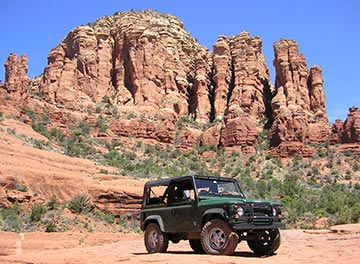
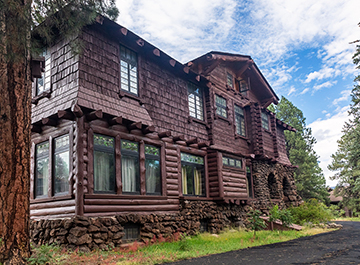
Red Rock State Park is a 286 acre nature preserve and environmental education center. The park, which operates both as a nature reserve and an environmental center, offers beautiful scenery. Trails throughout the park wind through manzanita and juniper to reach the rich banks of Oak Creek. Green meadows are framed by native vegetation and hills of red rock. The park offers a variety of special programs for school groups and private groups. Park facilities include a visitors center, classroom, theater, gift shop, picnic tables, 10 developed trails, restrooms, and group area with Ramada and facilities.
Oracle State Park: Center for Environmental Education
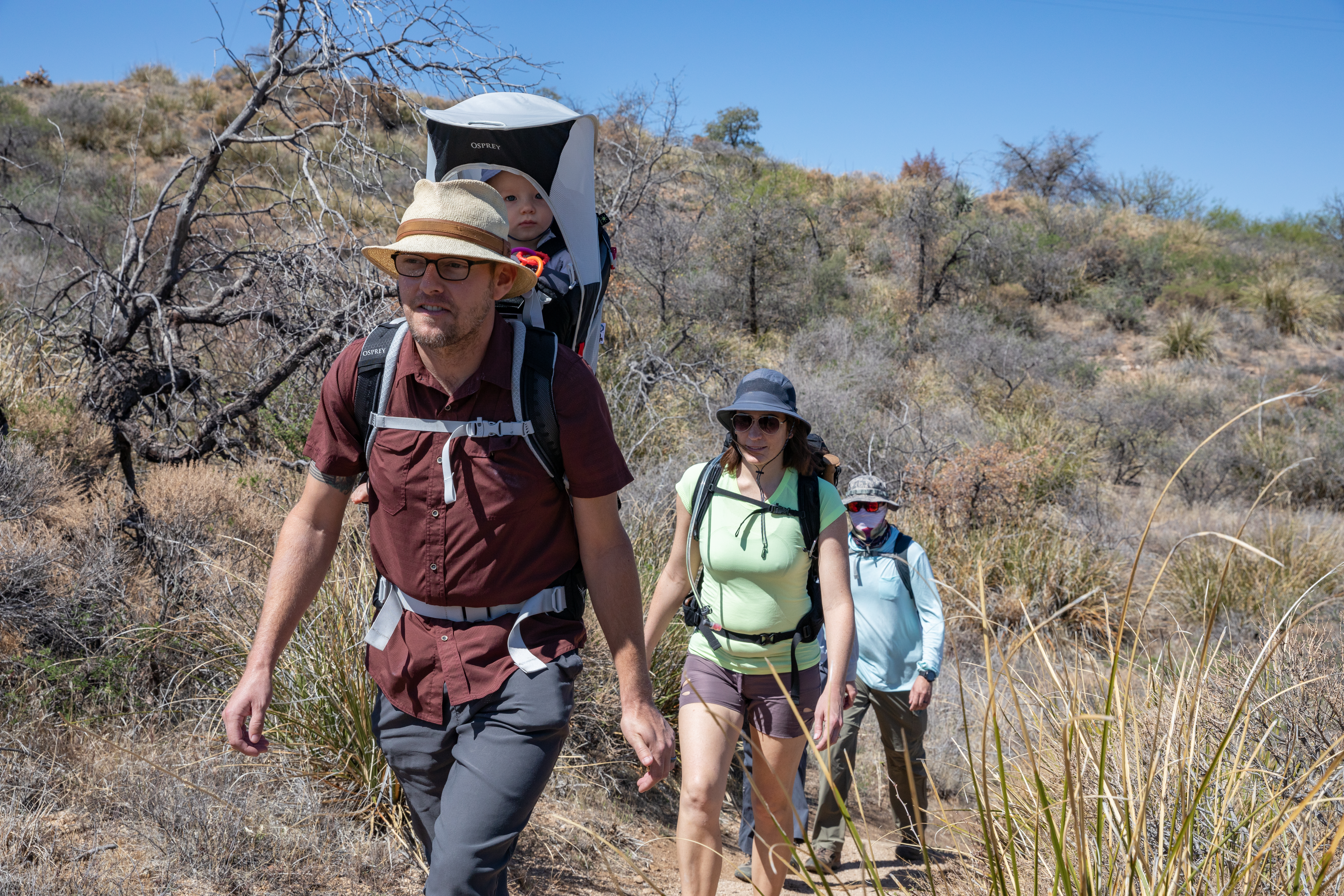
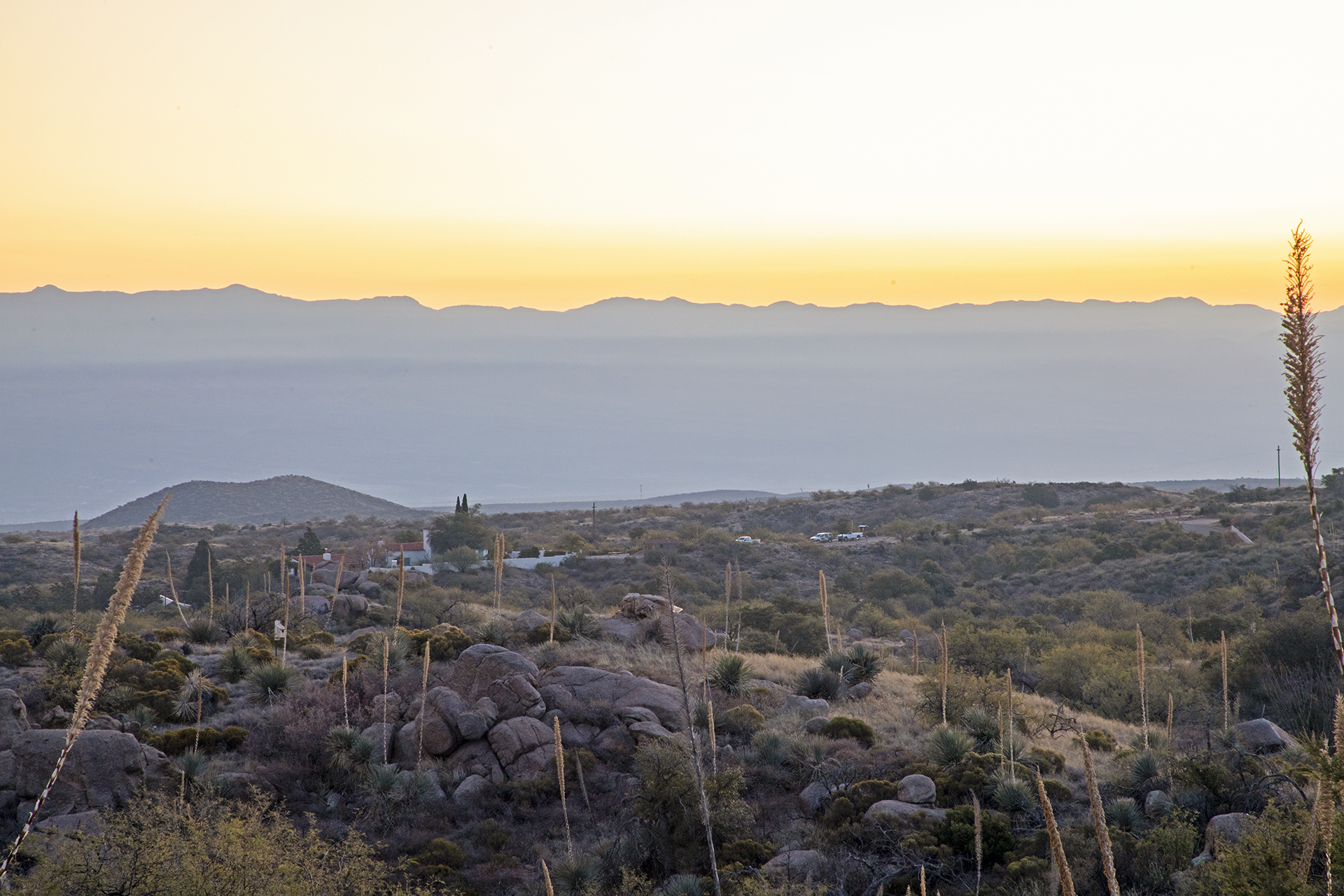
A 4,000 acre wildlife refuge in the northern foothills of the Catalina Mountains. The purpose of Oracle State Park is to protect the designated wildlife refuge and act as an environmental learning center. Educational trail programs emphasize participatory outdoor learning experiences for all ages. Students learn about habitat and interrelationships between plants, animals and people. Guided walks, workshops, presentations and special events are planned throughout the year to expand awareness and deepen appreciation of natural and cultural resources. An important focus of educational programming at the park is to understand people as part of nature and to clarify options for environmentally appropriate lifestyles.
Kartchner Caverns State Park
Kartchner Caverns is a stunning limestone cave in Southeastern Arizona and boasts many world-class features that have been protected since the cave was discovered in 1974. The cavern has been surveyed at 2.4 miles long. Kartchner is a wet, “live” cave. Water percolates from the surface and calcite features continue to grow in the darkness. The park offers two cave tours where you'll see dynamic structures such as stalactites dripping down like icicles and giant stalagmites reaching up from the ground, sometimes meeting to form a massive column. The caverns are host to a wide variety of unique minerals and formations.
Boyce Thompson Arboretum State Park
Boyce Thompson Arboretum State Park is the place to discover the intricate beauty and many faces of Arizona's oldest and largest botanical garden. Featured are plants from the world's deserts, towering trees, captivating cacti, sheer mountain cliffs, a streamside forest, panoramic vistas, many natural habitats with varied wildlife, a desert lake, a hidden canyon, specialty gardens and more. The Children’s Garden provides fun with a maze and a dig for buried treasure. The park offers a wide range of tours including Edible/Medicinal plants, Plants-of-the-Bible, and Summertime "Learn Your Lizards" walks and guided butterfly tours each month. In 2004 our guided tours were redesigned to meet a range of Arizona statewide academic standards.
Sonoita Creek State Natural Area
Established in 1994, the Natural Area's mission is to preserve this fragile riparian area and its surrounding environment. Encompassing a major portion of the Sonoita Creek and Coal Mine Spring watersheds, this is the State of Arizona's first significant Natural Area. The Healthy Water Education Program is a field trip environmental education program designed for 3rd – 6th grades. Students test water to determine water quality which includes a pontoon boat ride on Patagonia Lake, look at aquatic insects under microscopes and learn about the importance of protecting water dependent habitats in Arizona. Up to 60 students can be accommodated during the field trip. The field trip takes approximately three to four hours to complete depending on group size. In-classroom pre-lessons are provided to teachers to prepare students for the field trip. Post-lessons for the classroom are also provided to help tie all components of the program together. Field trips usually take place in September, October, April and May to take advantage of the best weather. Call the Natural Area's Visitor Center for more information and to register. Registration must take place at least six weeks prior to your visit. (520) 287-2791