
Learn more about Arizona State Parks by reading in-depth articles about wildlife, park habitats, restoration work, geology and more.
In addition to managing 8 of the top 25 most visited natural attractions in the state of Arizona, Arizona State Parks also operates a number of historic parks (with museums, artifacts, and interpretive exhibits) and natural conservation areas. You can read history of how the Riordan families influenced the development of Flagstaff, or learn more about how the historic apple orchard is managed at Slide Rock State Park, or learn about the 5,000 saguaro cacti at Catalina State Park.
Agency staff are actively engaged in carrying out our mission: “Managing and conserving Arizona’s natural, cultural, and recreational resources, both in our Parks and through our partners for the benefit of the people.”

Kartchner Caverns’ development spanned nearly 11 years, from 1988–99. Check out photos and learn more about the development of the cave. Learn More

Read an article that introduces some of the events and people that shaped Arizona's past. Learn More


An estimated 5,000 saguaro cacti (Carnegiea gigantea) live at Catalina State Park north of Tucson. Learn More

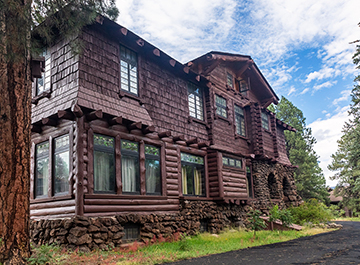
The Riordan families were instrumental in the development of Flagstaff by focusing on community, including health, education, science and churches. Learn More

Troop I, 10th Cavalry of Buffalo Soldiers was organized in 1866 and came to Fort Verde in 1885 following a distinguished record. Learn More

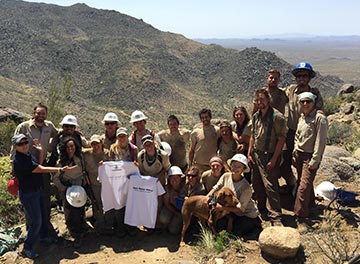
The Dragonfly Project was conducted with the help of volunteers with specific skills as part of the Research, Inventory and Monitoring (RIM) Program. Learn More

State parks recently took over management of over 300 fruit-producing trees in Slide Rock State Park's Apple grove, established in 1912. Learn More

Staff and volunteers at Boyce Thompson Arboretum track Monarch butterflies in order to understand the delicate insects' migration patterns. Learn More

Kartchner Caverns State Park is a haven for a fluctuating population of common cave bats, who return each summer to nest in part of the cave. Learn More

Dankworth Ponds, a sub-unit of Roper Lake State Park, has 150 acres of land surrounding a 15-acre pond with a re-created Indian village. Learn More

Learn how the area near Payson, AZ evolved over 1.7 billion years to become Tonto Natural Bridge State Park. Learn More

Learn how museum staff at Riordan Mansion State Historic Park repaired custom photographic windows in the 1904 Craftsman style mansion. Learn More

Skunks are mild-tempered and avoid confrontations unless provoked. You know of their smelly, defensive spray, but what else do you know about skunks? Learn More

Learn how park staff at Picacho Peak State Park safely moved 25-foot saguaros to make room for the new Visitor Center. Learn More

Oracle State Park sits at a convergence of habitats, making it possible to spot a variety of Owls. Learn More

A new 3D relief map helps hikers visualize their route and helps visitors understand the watershed at Sonoita Creek State Natural Area. Learn More

With high gas prices, rangers at Dead Horse Ranch State Park made personal changes and switched to riding bikes as much as possible. Learn More

Volunteer Jim “the Snake Man” Cloer and his crew of volunteers enchant visitors at Catalina State Park with a menagerie of reptiles, arachnids, and animals. Learn More

What's historically authentic concerning potted plants, gardens, and orchards within the Scheffelin Historic district in the city of Tombstone? Learn More

Learn how museum staff at Tubac Presidio State Historic Park repaired and preserved an 18th century Jesuit Santo (statue) of St. Francis Xavier. Learn More

A small cemetery from a group of 19th century settlers who founded the city of Sunset in northern Arizona can be seen at Homolovi Ruins State Park. Learn More